Cheese Pizza for Parties: Easy Planning and Serving Tips
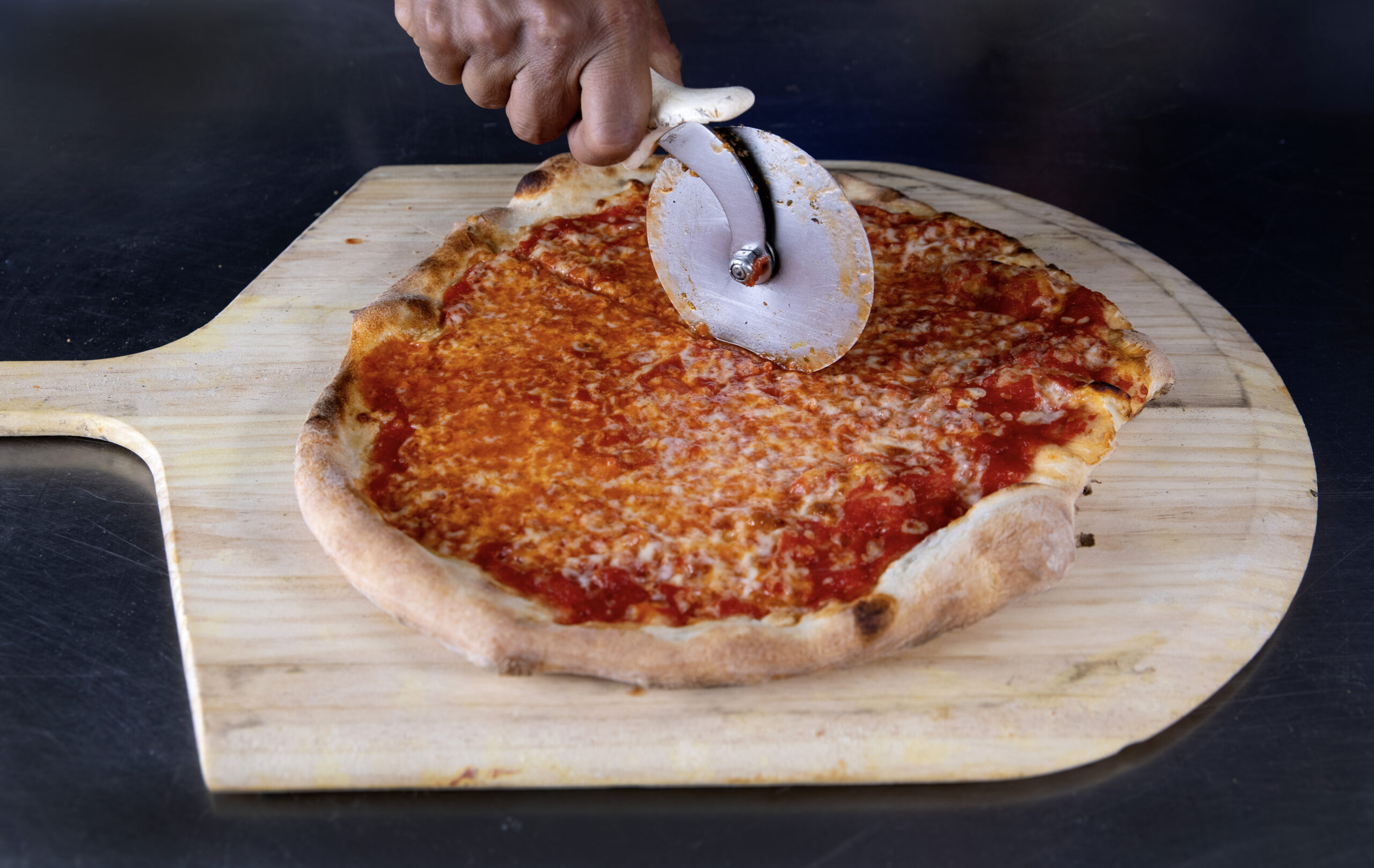

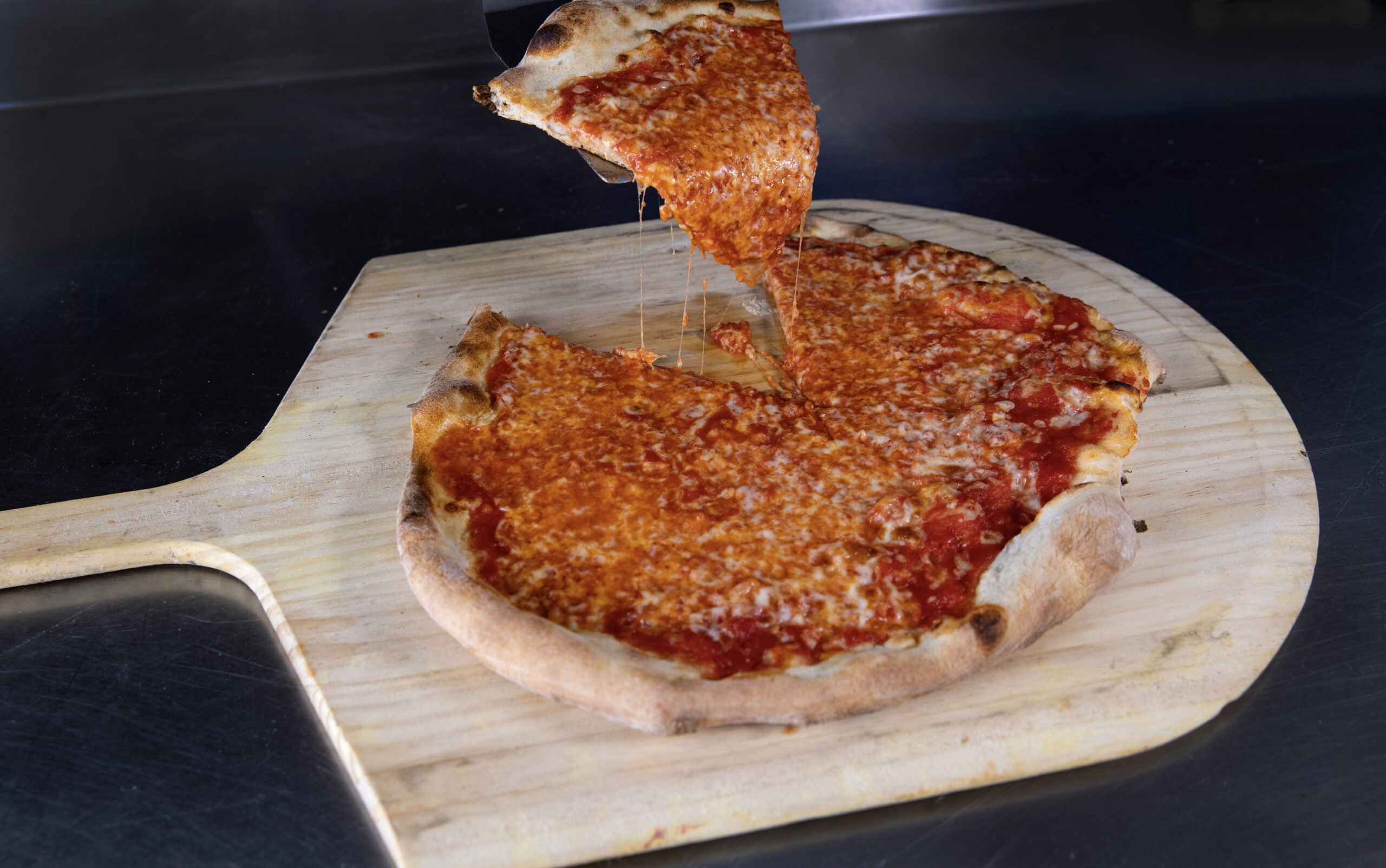
Cheese Pizza has a reputation for being the safe choice, but anyone who has fed a crowd knows it is often the smartest one. It lands well with children, picky eaters, vegetarians, and guests who simply want something familiar and satisfying. It also holds better than heavily topped pies, which matters when pizzas are arriving in waves and the first box is opened before the last one leaves the oven.
That simplicity can fool hosts into underplanning. A party runs smoothly when the pizza order matches the crowd, the timing is right, and serving is set up so people can help themselves without creating a bottleneck in the kitchen. Cheese Pizza works beautifully for that kind of event, but only if you think through quantity, pacing, and a few practical details that are easy to miss.
I have helped organize pizza for school events, birthday parties, team gatherings, and casual house parties where the guest count changed by the hour. The meals that went best were not the fanciest. They were the ones where the host knew how many pies to order, when to serve them, and how to keep the food moving without stress. Cheese Pizza is ideal for this because it is broad in appeal, easier to portion, and less likely to generate complaints about ingredients.
Why cheese pizza works so well at parties
A plain cheese pie gives you predictability. That matters more than people realize. Once toppings enter the picture, preferences split fast. One person wants pepperoni, another avoids pork, someone else dislikes olives, and a few guests will only eat something mild. Cheese Pizza avoids almost all of those friction points.
It is also one of the best pizzas to serve over a longer window. The balance of crust, sauce, and melted cheese tends to stay pleasant even when a pie sits for a bit. A heavily topped pizza can release moisture, soften in the center, and become messy. Cheese slices are usually neater, firmer, and easier to carry on a paper plate while standing and talking.
For parties with mixed ages, that reliability is especially useful. Children often gravitate to Cheese Pizza first, and adults who planned to sample several varieties usually take at least one cheese slice along the way. It becomes the anchor order, the one you know will disappear.
There is also a budget benefit. Cheese Pizza is usually less expensive per pie than specialty options. If you are feeding twenty, thirty, or fifty people, that difference adds up. Spending less on the base order gives you room for drinks, salad, garlic knots, or dessert without stretching the total too far.
Estimating how much to order without guessing
The biggest mistake hosts make is treating every party the same. Ten hungry teenagers after a game will eat very differently from ten adults at a baby shower where there are appetizers and cake. Before you call in an order, think about context.
Start with the role pizza will play. If Cheese Pizza is the main meal and the event falls at lunch or dinner, many adults will eat two to three slices, and some will eat four. Children often eat one or two slices, depending on age. If there are substantial sides, like wings, salad, breadsticks, or a dessert buffet, the pizza count can come down a bit. If pizza is the only real food, build in a cushion.
Crust style changes the math too. Thin crust tends to go faster because people perceive each slice as lighter. Deep dish or very large foldable slices can be more filling. A standard large pizza, often cut into eight slices, is a useful baseline, but every local shop has its own sizing. One restaurant’s large may feed like another’s medium. Check the actual diameter when possible.
A practical rule that has held up well for me is this:
- For a meal with mostly adults, plan on 2 to 3 slices per person.
- For a mixed group of adults and children, estimate about 2 slices per guest on average.
- For teenagers, especially after sports or evening events, lean closer to 3 slices each.
- For a party with heavy snacks and dessert, reduce the estimate slightly, but still keep an extra pie or two if the group is over 20 people.
That extra pie matters. Running short creates instant stress, while having a little left over is rarely a problem. Cold Cheese Pizza gets eaten later, packed up for guests, or handled easily the next day. Leftover plain cheese is far more flexible than leftover niche toppings.
Timing matters more than people expect
A party can have the correct amount of pizza and still feel disorganized if it all arrives at the wrong moment. Freshness is important, but so is flow. If you order every pie for a single delivery time and the driver arrives during guest arrivals, gift opening, or a speech, you have turned dinner into a disruption.
For home parties, staggered delivery often works best for larger groups. The first round arrives shortly after guests settle in. A second round comes twenty to thirty minutes later if needed. That keeps pizza hot and prevents the awkward moment where six boxes are opened at once, steam escapes, and half the food is lukewarm before everyone serves themselves.
At venues or office gatherings, timing depends on structure. If people will eat all at once, have the order arrive ten to fifteen minutes before the meal begins, not thirty minutes early. Someone should be ready to receive it, check the order, and lay it out immediately. Pizza sitting closed in boxes too long can turn soft from trapped steam.
Pickup can be better than delivery when the party is close to the pizzeria and timing is tight. Delivery windows can widen during rush periods, big sports nights, or bad weather. If you choose pickup, assign it to someone who is not also hosting at the front door. A host trying to greet guests while tracking a pizza order almost always ends up doing both badly.
Building an order that keeps everyone happy
Even if the party centers on Cheese Pizza, most hosts do not need to order only cheese. The strongest approach is to make Cheese Pizza the foundation, then add a smaller number of other pies around it. That way the reliable favorite stays abundant, and guests who want variety still have options.
For a modest gathering, more than half the order can comfortably be Cheese Pizza. At larger parties, especially with children, it often makes sense for cheese to represent the clear majority. I have seen hosts overcomplicate orders with too many specialty pies, only to watch the plain cheese vanish first while slices with unusual toppings sit untouched.
Think about your guests, not your own preferences. The person placing the order may love white pizza with ricotta and roasted garlic, but that does not mean thirty people at a casual birthday party will reach for it. Cheese Pizza succeeds because it asks little of the guest. It is instantly recognizable, easy to eat, and easy to pair with whatever else is on the table.
If you are worried that plain cheese feels too basic, elevate the experience around it rather than changing the pizza itself. Good red pepper flakes, grated parmesan, garlic Cheese Pizza powder, hot honey, ranch, or a few dipping sauces can make a cheese slice feel more customized without forcing a topping decision onto every guest.
Setting up the serving area so the crowd keeps moving
The best pizza service setup is simple and wide. Do not stack everything in a cramped kitchen corner where three people can fit at once. If possible, place pizzas on a long counter or dining table with plates, napkins, and condiments spread out so guests move in one direction.
Open only a few boxes at a time. That keeps heat in the remaining pies and makes the table look tidier. If you have multiple rounds arriving, clear empty boxes between deliveries so the area does not turn into a cardboard pileup.
Plates matter more than many hosts think. Flimsy dessert plates bend under hot slices, especially when guests take two at a time. Use full-size sturdy paper plates. Keep plenty of napkins nearby. Cheese Pizza is cleaner than many varieties, but melted cheese and warm tomato sauce still drip when people are balancing food and drinks.
For children’s parties, pre-serving can reduce chaos. A few trays with one slice each on plates can get younger kids fed quickly before they swarm the boxes. That also helps parents see portion sizes and avoids five-year-olds touching several slices before choosing one.
Here is a short serving checklist that consistently helps:
- Put plates, napkins, and drinks before the pizza, so guests are ready when they reach the boxes.
- Keep simple condiments nearby, but do not crowd the pizza area with too many bottles.
- Open fresh boxes in stages to preserve heat and reduce steam buildup.
- Have a trash can or recycling bin visible and close to the serving area.
- Assign one person to monitor the table if the party is large or includes many children.
That last point can save a surprising amount of hassle. One attentive adult can rotate in hot pies, remove empty boxes, and notice early if the food is running low.
Keeping cheese pizza hot without ruining the crust
There is no perfect way to hold pizza for a long period, but some methods are much better than others. The enemy is moisture. Closed boxes trap steam, which softens the crust. High heat can dry the cheese out or toughen the edges.
For short holds, keeping pizzas in their boxes is fine, especially if you open the lids occasionally or transfer the slices to serving trays. For longer holds, a low oven helps, but only if used carefully. Around 170 to 200 degrees Fahrenheit works better than hotter settings. If your oven runs warm, prop the door slightly for airflow or move slices to sheet pans rather than leaving them boxed.
If you are serving a crowd over an hour or more, rotating fresh pies is usually better than trying to keep a large stack hot the whole time. Cheese Pizza is forgiving, but even the best pie loses its appeal when it sits too long under the wrong conditions.
Warming trays can work for slices, though they are most useful for short windows and should not be overloaded. A packed tray traps moisture underneath. The crust on a Cheese Pizza deserves better than that.
Accommodating dietary needs without turning the order into a puzzle
Cheese Pizza is party-friendly, but it does not cover every dietary need. Traditional versions contain gluten and dairy, so if you know guests have restrictions, address that directly. One gluten-free pizza for a guest who cannot eat the standard pies is thoughtful. The same goes for dairy-free or vegan options when needed.
The key is not to assume those specialty pizzas can replace regular Cheese Pizza for the broader crowd. They serve a specific purpose, and their texture or flavor is often different. Label them clearly if they are being set out with everything else. That avoids accidental grabbing and awkward reshuffling once someone realizes the wrong person has the only dairy-free slice.
Cross-contact is another practical issue. If a gluten-free pie matters for medical reasons, use a separate cutter and serving space when possible. This is not a detail to handle casually. Many hosts mean well but overlook it in the rush.
The easiest way to manage these needs is to ask ahead. A quick text to a small guest list can prevent guesswork and makes people feel considered. For larger open-house style events, a small labeled specialty order is usually enough.
Pairing sides and drinks without overshadowing the pizza
Cheese Pizza does not need much help, which is part of its strength. Still, the right sides can round out the table and stretch the meal. Crisp salad, fruit, wings, breadsticks, and simple desserts all work. The most successful pairings tend to contrast the pizza rather than compete with it.
A sharp green salad cuts through the richness of the cheese. Fresh fruit helps at daytime events or children’s parties where parents appreciate a lighter option on the table. Garlic knots and breadsticks are popular, but if you serve too much bread alongside pizza, people may fill up before the meal feels balanced.
Drinks should be straightforward and abundant. Water matters more than hosts think, especially with salty food and warm rooms full of people. For family gatherings, sparkling water, lemonade, and iced tea are dependable. For adult parties, beer and pizza are natural partners, but wine can work well too, especially lighter reds and crisp whites that do not overpower the food.
Dessert can be small. Once people have eaten several slices of Cheese Pizza, they often want just a cookie, a brownie, or a piece of cake if the event already has one planned. There is no need to overbuild the menu.
Budgeting wisely without looking cheap
A party budget shows up in many places, and pizza is one of the few where spending carefully does not necessarily look like cutting corners. Cheese Pizza lets you feed a lot of people with something familiar and genuinely enjoyable.
If you are comparing shops, do not look only at the headline price per pie. Delivery fees, service fees, and tipping can shift the total fast. A less expensive pizza from farther away may arrive cooler and later than a slightly pricier order from a nearby place with better consistency. For parties, reliability is often worth a little more than the lowest possible cost.
Call the restaurant directly for large orders. Many pizzerias handle party orders better over the phone than through an app. You can confirm sizes, ask how many people their large pizzas usually feed, and request staggered timing if needed. Some places offer package pricing for schools, offices, and team events, though it is not always advertised.
If the budget is tight, prioritize enough Cheese Pizza first. Extras should come after the base order is secure. Guests remember whether there was enough hot food. They do not usually remember whether there were four dipping sauces or imported sparkling drinks.
Common party mistakes that are easy to avoid
The first common error is underestimating appetite. This happens constantly with teenage groups, evening parties, and events where alcohol is served. People eat more than expected when they are socializing for hours.
The second is too much variety. Hosts sometimes try to please everyone with six different topping combinations, then realize nobody can find the simple slice they wanted from the start. Cheese Pizza should not be treated as an afterthought. It should lead the order.
The third is poor placement. If all the food is in the kitchen but guests are gathered in the living room or backyard, the flow breaks down. Put pizza where people naturally gather or create a clear path to it.
The fourth is failing to check the order. Open the boxes as soon as they arrive. Restaurants are busy, and mistakes happen. It is easier to fix a missing Cheese Pizza when the driver is still nearby than twenty minutes later when the party is underway.
The last issue is serving everything too early. Pizza peaks in that first stretch after arrival. Protect that window. A well-timed order can make average pizza feel great, while bad timing can make excellent pizza feel disappointing.
Leftovers are part of the plan
When hosting, it is better to plan for controlled leftovers than a shortage. Cheese Pizza is one of the easiest party foods to store, reheat, and send home with guests. Keep a few containers, foil sheets, or zip-top bags on hand if you expect extra slices. At family parties, people are often glad to take a slice or two for later, especially children who were too busy to finish eating at the event.
For reheating, the oven or a skillet restores texture better than the microwave. A few minutes in a hot pan can revive the bottom crust beautifully, and a short oven reheat brings the cheese back without turning it rubbery. None of that helps during the party itself, of course, but it makes having a little extra feel less wasteful.
Leftover Cheese Pizza also adapts well. It can become a quick lunch, a late-night snack, or an easy next-day meal while the host recovers from cleanup. That is one more reason it remains such a practical party choice.
The case for keeping it simple
There is a reason Cheese Pizza remains a staple for birthdays, office lunches, school celebrations, and casual home gatherings. It is affordable, recognizable, easy to serve, and broadly liked across age groups. Most important, it removes decision fatigue from the meal. Guests do not need a menu explanation or a Cheese Pizza topping negotiation. They just eat.
When parties feel effortless, it is usually because someone quietly handled the basic decisions well. They ordered enough food. They timed the delivery right. They made serving easy. They chose a crowd-pleaser instead of trying to impress people with complexity.
Cheese Pizza does that job better than almost any other party food. If you give it the planning it deserves, it will return the favor by feeding people well, keeping the atmosphere relaxed, and making the host look far more organized than they may feel.
Brooklyn Pizza
1647 Arapahoe Ave
Boulder, CO 80302
+1 720-328-2324
FAQ About Cheese Pizza
What type of cheese is used on a cheese pizza in Boulder, CO?
The cheese varies by pizzeria. Brooklyn Pizza uses whole-milk mozzarella made in-house on its standard pies and offers a plant-based cheese option for vegan pizza. Ask the shop directly about ingredients if you have a dietary restriction.
How many slices are in a large pizza in Boulder, CO?
Slice count depends on how the shop cuts the pie. Brooklyn Pizza lists a 16-inch large pizza. If you are ordering for a group, call to confirm the number of slices or ask whether a smaller cut is available.
What is New York style pizza in Boulder, CO?
New York-style pizza usually has a thin crust and wide slices that can be folded. A classic cheese slice pairs tomato sauce with mozzarella. Brooklyn Pizza serves New York-style pizza by the slice and as whole pies.