Cheese Pizza Basics: Everything You Need to Know
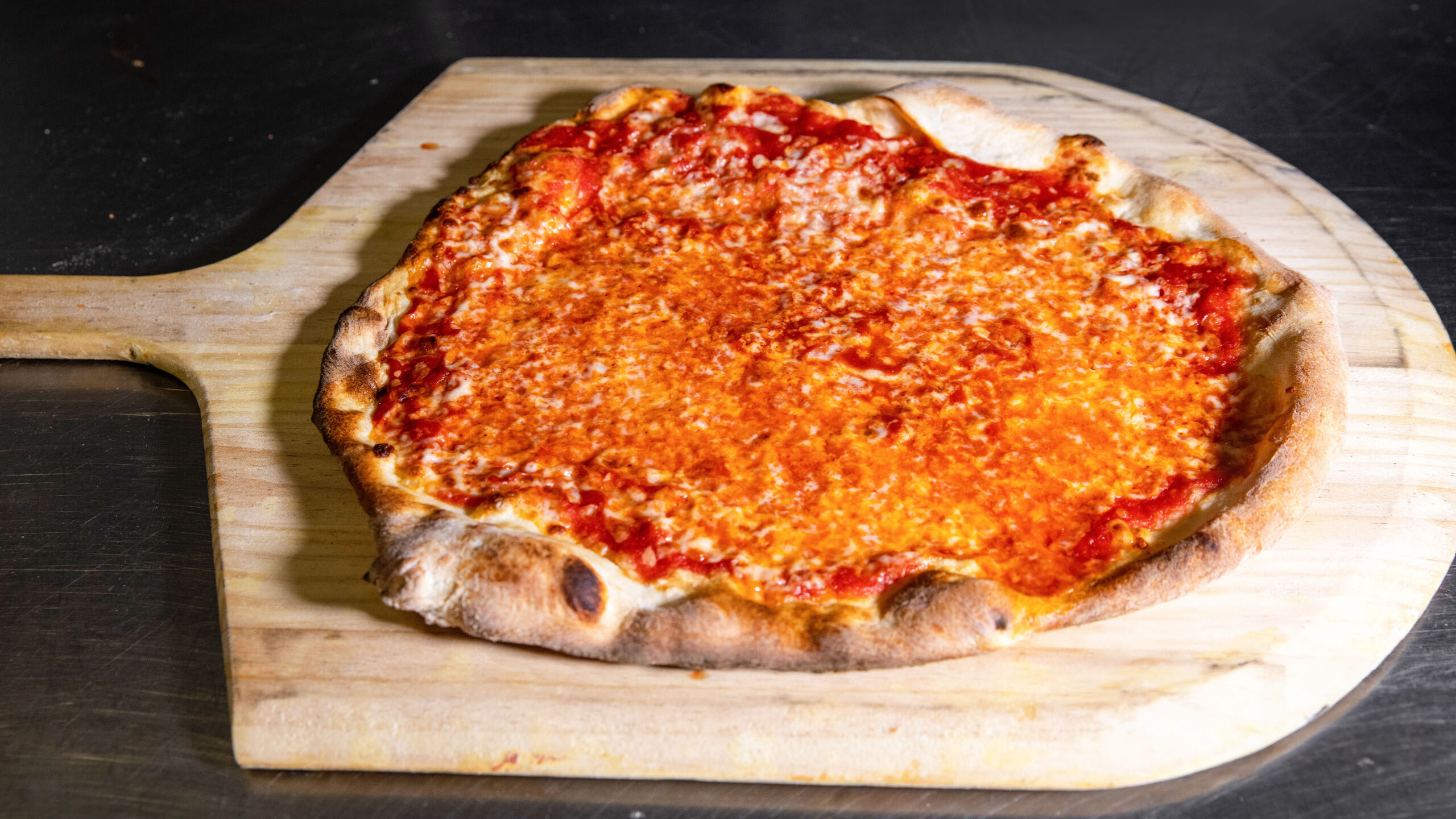
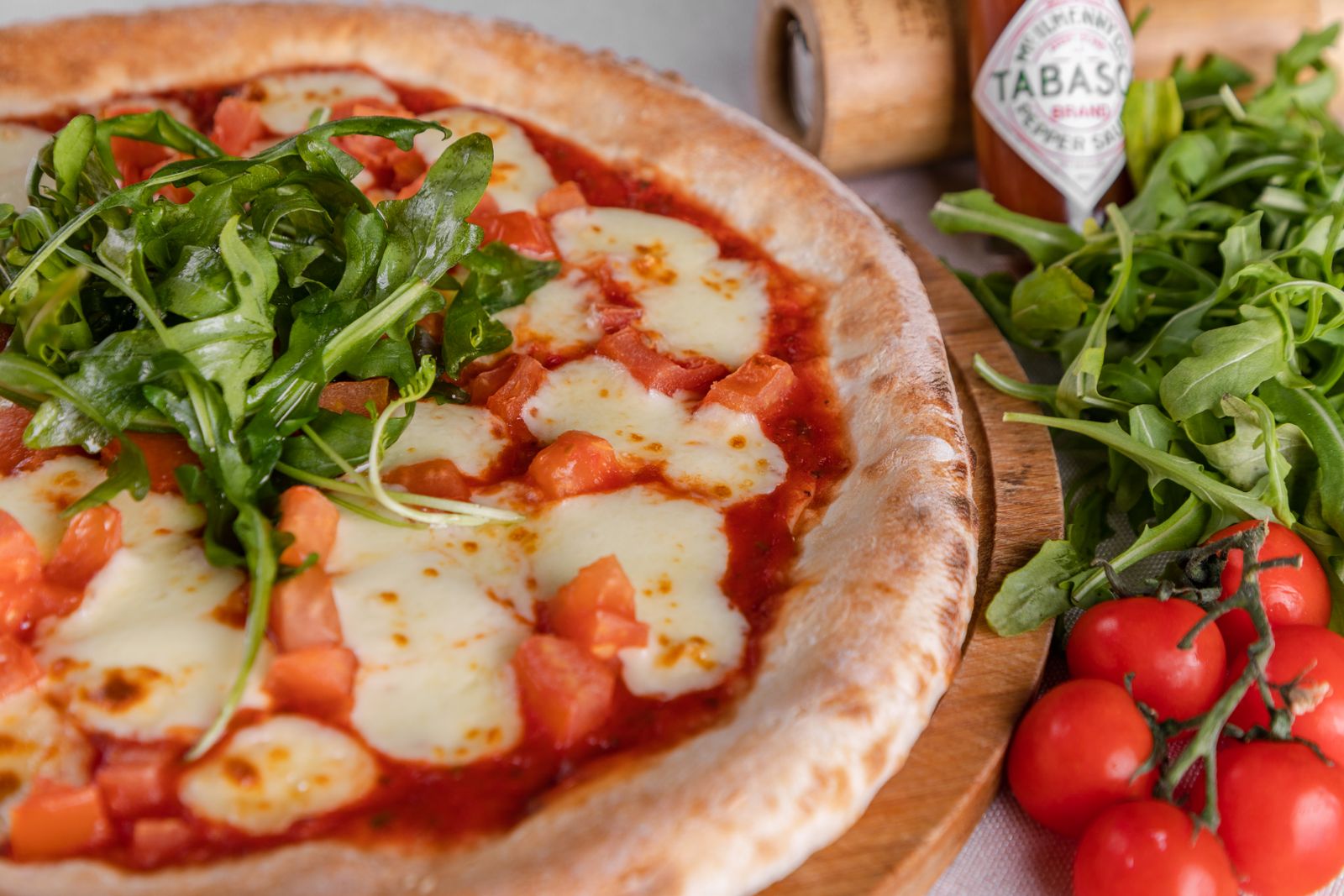
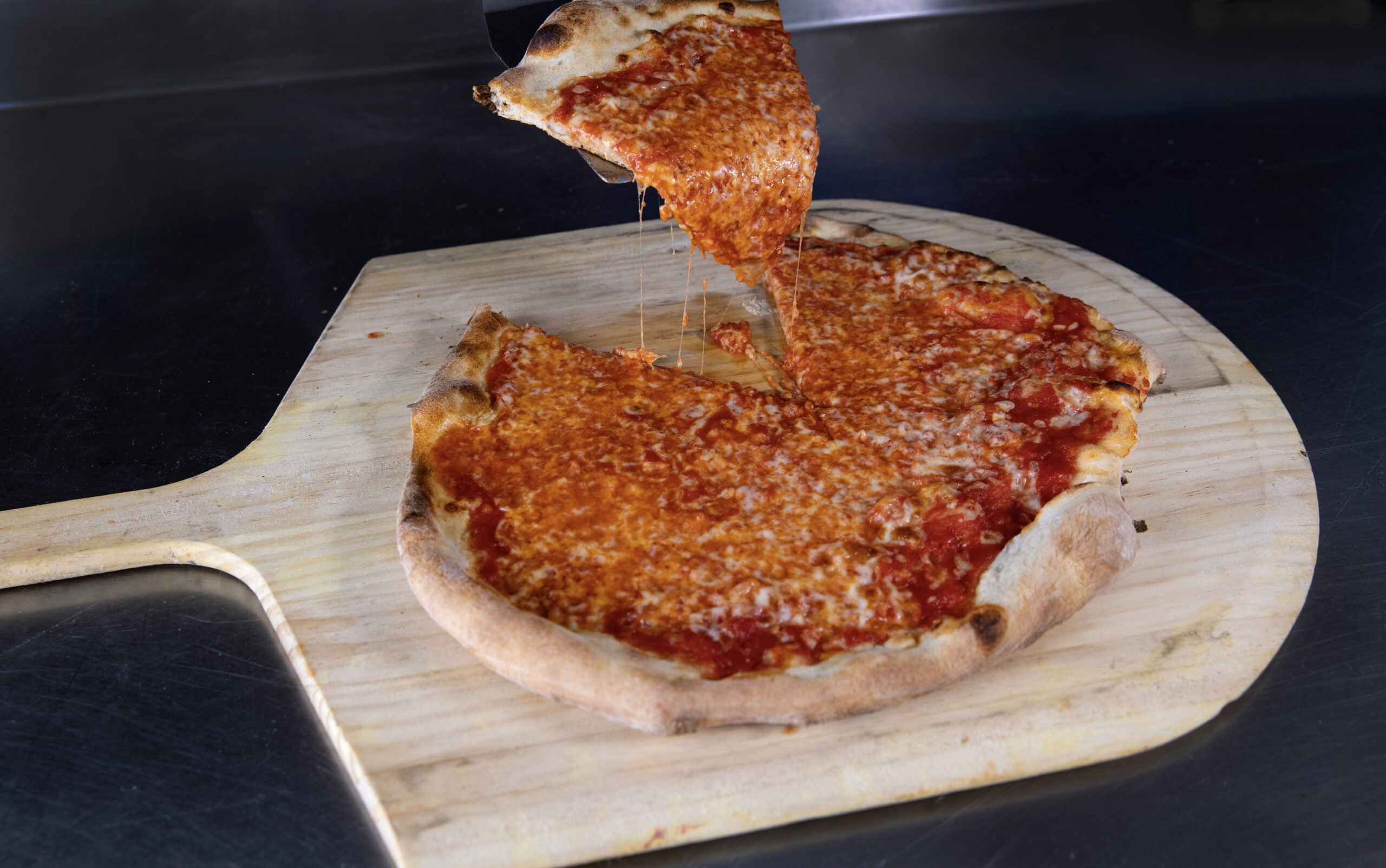
Cheese pizza looks simple, and that is exactly why it exposes every shortcut. With no pepperoni, sausage, or vegetable toppings to distract the palate, each part of the pie has to carry its weight. The dough must have flavor and structure. The sauce cannot be harsh or watery. The cheese has to melt evenly, brown at the right pace, and contribute richness without turning the surface into an oil slick. When a cheese pizza is done well, it tastes complete, balanced, and deeply satisfying. When it is done poorly, there is nowhere to hide.
That is what makes cheese pizza worth understanding on its own terms. People often treat it as the default option, the safe choice for kids, or the plain version of something more interesting. In practice, it is usually the benchmark by which a pizzeria is judged. Ask any experienced pizza maker, and they will tell you that if the cheese slice works, the rest of the menu has a fighting chance.
Why cheese pizza is harder than it looks
A loaded pizza can absorb small mistakes. Extra toppings cover uneven browning. Spicy meats can overshadow a bland sauce. A heavy hand with cheese may seem indulgent when there are mushrooms and onions underneath it. Cheese pizza offers no such protection.
The first thing you notice is balance. Too much sauce, and the center turns soupy. Too little, and the crust eats dry. Too much cheese, and the top slides off in one blanket with the first bite. Too little, and the slice feels stingy. Even the cut matters. A thin crust cheese pizza cut into wide slices behaves differently from a pan pizza cut into squares. Steam, weight distribution, and crust support all change.
There is also a timing issue that many home cooks underestimate. Dough, sauce, and cheese all respond to heat differently. Dough needs enough time to spring and brown. Sauce needs to warm and reduce slightly without soaking the crust. Cheese needs to melt, blister, and sometimes brown, but not split into pools of fat. Getting those three things to finish at nearly the same moment is the craft.
What defines a great cheese pizza
A strong cheese pizza is not just cheesy. It should taste layered. The crust provides the foundation, with wheat flavor, salt, and a little fermentation character if the dough has been aged. The sauce contributes acidity, sweetness, and brightness. The cheese adds milkiness, fat, and that stretch people expect from a classic slice. Good versions also have contrast. The bottom should resist slightly. The rim should have chew and air. The sauce should still taste like tomato. The cheese should feel integrated rather than piled on.
Texture matters as much as flavor. A very good slice has a distinct bite pattern. First you get the browned edge, then the tender interior crumb, then the soft but not wet center where sauce and cheese meet. The surface should not be rubbery. The underside should not be pale. The tip should not collapse instantly under its own weight unless the style is intentionally ultra thin.
There is no single ideal, because regional styles vary. A New York cheese slice, a New Haven plain pie, a Detroit corner piece, and a classic American delivery pie all aim for different outcomes. Still, they share a principle: restraint. The best cheese pizzas know when to stop.
The dough is the real beginning
Every memorable cheese pizza starts long before the cheese goes on. Dough is where flavor, structure, and handling all begin. Flour choice matters, but not in a snobbish way. Bread flour is common because it supports chew and oven spring. All-purpose flour can work well, especially in home ovens, where a slightly softer dough is often easier to bake thoroughly. Some pizzerias blend flours to fine-tune texture.
Hydration, the ratio of water to flour, influences everything from extensibility to crispness. Lower hydration doughs tend to be easier to handle and can bake up firmer. Higher hydration doughs can produce more open crumb and a lighter feel, but they demand skill and sufficient heat. For many home cooks making cheese pizza in a standard oven, a moderate hydration dough lands in the practical sweet spot.
Fermentation is where the dough develops personality. A dough mixed and baked the same day can still be pleasant, especially for pan styles. A dough rested overnight or for 24 to 72 hours in the refrigerator usually develops better flavor, better browning, and more relaxed handling. That subtle tang and aroma are often what separates a homemade pizza that tastes decent from one that tastes like it came from a pizzeria.
Salt is not optional background noise. It strengthens dough, controls fermentation, and shapes flavor directly. Under-salted dough is one of the most common reasons home pizza tastes flat, even when the toppings are good.
Sauce should support, not dominate
Pizza sauce is often overcomplicated. For cheese pizza, a clean tomato flavor usually performs better than a heavily cooked, herb-packed sauce. Many excellent pizzerias rely on crushed tomatoes, salt, and perhaps a modest amount of olive oil. Some add a touch of garlic, dried oregano, or basil. Very few need sugar if the tomatoes are well chosen.
The goal is not pasta sauce. Pasta sauce may be delicious, but it is often too cooked, too dense, or too seasoned for pizza. On a cheese pizza, the sauce should stay fresh enough to lift the richness of the dairy. It should spread easily and sparingly. A thick layer almost always backfires by trapping moisture and making the slice heavy.
Tomato quality makes a visible difference. If the tomatoes are metallic, sharply acidic, or watery, the final pizza will broadcast those problems. Whole canned tomatoes crushed by hand or pulsed briefly can offer excellent results. In peak summer, fresh tomatoes can be used, but they usually need some reduction or careful draining to avoid excess water.
The cheese question, and why mozzarella is not one thing
People say mozzarella as if it were one fixed ingredient. For pizza, it is a family of options. Fresh mozzarella and low-moisture mozzarella behave very differently. Fresh mozzarella has delicate dairy flavor and a soft texture, but it also carries more water. On a cheese pizza, especially in a home oven, that extra moisture can create puddling and prevent proper browning unless handled carefully. Low-moisture mozzarella melts more predictably, stretches beautifully, and browns with more consistency. That is why it remains the backbone of many pizzeria cheese pizzas.
Whole-milk low-moisture mozzarella tends to give better flavor and a softer mouthfeel than part-skim, though part-skim can brown nicely and feels slightly lighter. Many shops blend them. Some add a small amount of provolone for deeper savory notes or pecorino for salinity. Parmesan can add nuttiness, but in excess it can overpower the cleaner profile that makes cheese pizza so appealing.
The amount matters more than many people expect. A common beginner mistake is over-cheesing. It seems generous, but too much cheese insulates the surface, slows evaporation, and leads to a greasy top. A well-measured layer leaves small islands and seams where sauce peeks through. During baking, the cheese spreads and completes the surface on its own.
Common cheese choices and what they do
| Cheese | Strengths | Watchouts | | --- | --- | --- | | Low-moisture whole-milk mozzarella | Reliable melt, balanced browning, classic slice texture | Can feel heavy if applied too thickly | | Low-moisture part-skim mozzarella | Good browning, tidy melt, widely available | Less rich, sometimes slightly rubbery | | Fresh mozzarella | Excellent dairy flavor, soft luxurious pockets | Adds water, browns less readily | | Provolone | Savory depth, good partner in blends | Can dominate if used alone | | Pecorino or parmesan | Salty finish, aroma, complexity | Best as a supporting accent |
This is where experience matters. If your oven runs cool, low-moisture mozzarella is usually the safest path. If you have a very hot pizza oven, fresh mozzarella becomes easier to manage because the pizza bakes before excess water can do too much damage.
Regional styles change the meaning of cheese pizza
The phrase cheese pizza sounds universal, but style changes expectations. A New York style cheese pizza is usually built around a hand-stretched crust, moderate sauce, shredded low-moisture mozzarella, and a bake hot enough to give mottled browning without turning the crust cracker-thin. The slice should fold without snapping and still hold together.
A New Haven plain pie often uses less cheese than outsiders expect. The crust is lean, charred, and highly expressive. The sauce tastes vivid. The cheese acts more like a seasoning layer than a blanket. If you order one expecting a heavily topped delivery pie, it can seem sparse. If you understand the style, it can feel almost perfect.
Detroit style changes the equation completely. The cheese goes edge to edge in a rectangular steel pan. The prized result is frico, the deeply caramelized cheese crust that forms along the perimeter. Sauce may be added in stripes on top after the bake or near the end, depending on the shop. Here, cheese is not just topping. It is also part of the crust architecture.
Chicago tavern style, often overshadowed by deep dish in popular discussion, is another important cheese pizza form. It is thin, crisp, cut into squares, and designed for repeated bites rather than dramatic slice pulls. The cheese coverage tends to be even and efficient, which matches the format.
These styles prove an important point. There is no single correct cheese pizza, but every good one knows what it wants to be.
What happens in the oven
Baking pizza is a race among heat transfer, evaporation, and expansion. Commercial deck ovens and wood-fired ovens solve this with sheer power. They can deliver intense bottom heat while blasting the top with radiant heat, which is why pizzeria pies can bake so quickly and still emerge browned and balanced.
Home ovens demand adjustments. If the oven is not hot enough, the dough dries before it chars, or the cheese overcooks before the crust fully sets. This is why preheating a baking steel or pizza stone matters. It stores heat and helps cook the underside fast. For many home setups, an hour of preheat at the oven's maximum temperature is not excessive.
Placement matters too. A pie baked too low may char underneath before the cheese colors. Too high, and the top races ahead while the bottom stays pale. In many ovens, the upper-middle position offers a useful compromise, especially if a steel is involved. Some cooks finish with a brief broil to improve top browning, but that requires attention. Cheese Pizza Sixty seconds can be perfect. Ninety can cross the line.
If the pizza releases a lot of oil, the issue is not always poor cheese. Sometimes it is simply too much cheese. Sometimes the bake is too long at moderate heat. Cheese likes intensity. Slow baking tends to punish it.
Building a cheese pizza at home without common mistakes
The practical challenge is not making pizza edible. It is making it feel intentional. That comes from managing moisture, heat, and proportion. A few habits improve results quickly:
- Preheat your steel or stone thoroughly, usually for at least 45 to 60 minutes.
- Use less sauce and less cheese than your instincts suggest.
- Stretch the dough evenly, leaving a rim and avoiding a thick center.
- Drain fresh mozzarella or stick with low-moisture mozzarella for easier control.
- Let the pizza rest briefly after baking so the cheese can set before slicing.
Most disappointing homemade cheese pizza comes from one of three places. The oven was not truly ready. The toppings were too heavy. The dough lacked fermentation and seasoning. Fix those, and the jump in quality is immediate.
One useful test is the underside of the crust. If the top looks done but the bottom is blond, the baking surface was not hot enough. If the bottom is dark while the cheese still looks unmelted, the oven or rack position needs adjustment. Every oven has its quirks, and pizza is one of the fastest ways to learn them.
Why supermarket pizza and pizzeria pizza taste so different
Ingredient quality plays a role, but process explains a lot. Pizzerias handle dough daily. They control fermentation, dough temperature, and portioning with precision because small inconsistencies multiply during service. They also work with ovens that recover heat quickly after each bake. That recovery is a major hidden advantage. A home oven loses momentum more easily, especially when the door opens repeatedly.
Cheese sourcing matters too. Pizzerias often buy mozzarella formulated specifically for pizza performance, with moisture and fat levels chosen for melt, stretch, and browning. Grocery store cheese can still work very well, but brands vary sharply. Some shred cleanly and melt evenly. Others contain anti-caking agents that interfere with texture. Pre-shredded cheese is convenient, yet block cheese grated at home usually melts better.
There is also a timing difference. A pizzeria pie goes from make line to oven in seconds. At home, a stretched dough may sit while the sauce is fetched, the cheese is distributed, and the peel is dusted again because the dough started sticking. That lag can soften the dough and complicate launch. The smoother the workflow, the better the pizza.
Serving and eating matter more than people admit
A cheese pizza is not static from oven to table. The first two minutes after the bake are a transition period. The cheese finishes settling. Steam leaves the crust. The sauce thickens slightly. Cut too soon, and the toppings can flood toward the edges. Wait too long, and the contrast between crisp exterior and molten interior starts fading.
The serving surface matters as well. Putting pizza directly onto a flat plate can trap steam underneath and soften the bottom crust. A screen, cutting board, or even a short rest on a wire rack can preserve texture better before serving.
Temperature shapes flavor. Extremely hot cheese can mask nuance because it is all heat and fat. Letting the slice cool just enough to eat comfortably often reveals more of the sauce and crust. That is one reason a great cheese pizza remains satisfying even after the first urgent bite.
Pairings, dips, and whether they help
Cheese pizza does not need much help, but pairings can sharpen the experience. Crushed red pepper adds heat without changing texture. Dried oregano adds an old-school pizzeria aroma that many people associate with comfort as much as flavor. Grated pecorino or parmesan can work if the base pizza is restrained enough to welcome a salty accent.
Dips are more divisive. Ranch, garlic butter, and hot honey all have devoted fans. Whether they improve cheese pizza depends on what the pizza is trying to do. A basic delivery pie with a soft crust may benefit from ranch's tang. A carefully balanced Neapolitan-style pie usually does not need it. Hot honey can create a compelling sweet-heat contrast, but it also shifts the pizza away from the clean simplicity that defines classic cheese pizza.
That is the central judgment call with any add-on. Are you enhancing the pizza, or compensating for it?
How to judge a slice quickly
If you are standing at a counter deciding whether a shop understands its craft, a plain cheese slice tells you almost everything. Look at the rim for rise and color. Check whether the cheese coverage is even without being excessive. Notice if the sauce is visible in places. Lift the slice and watch the tip. A little droop can be fine, especially in New York style. Immediate collapse suggests overload or underbake.
Then pay attention to the first bite. Do you taste crust, sauce, and cheese separately before they blend? Is the salt level right? Does the underside stay crisp for at least the first minute, or does it go limp instantly? Is there pleasant browning, or only pale melt? A strong cheese pizza delivers clarity. You can read the maker's decisions in every bite.
Making better choices when ordering
Ordering cheese pizza seems simple until menu language gets vague. "Extra cheese" sounds tempting, but unless the shop is known for a light hand, it often creates a heavier, greasier pie. "Well done" can be excellent at places that underbake slightly during peak service, but at a shop already baking aggressively, it may push the crust into bitterness. Size matters too. A larger pie often bakes differently from a small one because the dough thickness and topping ratio change.
If you are trying a place for the first time, ordering a standard cheese pizza is still the smartest move. It reveals far more than specialty combinations loaded with toppings and sauces. If the shop can get the plain pie right, you have reason to trust the rest.
The quiet appeal of simplicity
Cheese pizza lasts because it meets a rare standard in food. It is simple enough to crave casually, yet technical enough to reward obsession. Children love it without needing to explain why. Professional bakers can spend years adjusting fermentation, blend ratios, and bake profiles in pursuit of a better slice. Both reactions are valid.
At its best, cheese pizza tastes inevitable, as if no other version was possible. The crust is crisp where it should be crisp, tender where it should be tender. The sauce brightens the dairy instead of fighting it. Cheese Pizza The cheese melts into the pie rather than sitting on top of it. You finish a slice and want another, not because it is overloaded or shocking, but because everything is in proportion.
That is the real lesson in cheese pizza basics. The style is not plain at all. It is focused. And when that focus is handled with skill, few foods are more complete.
Brooklyn Pizza
1647 Arapahoe Ave
Boulder, CO 80302
+1 720-328-2324
FAQ About Cheese Pizza
What type of cheese is used on a cheese pizza in Boulder, CO?
The cheese varies by pizzeria. Brooklyn Pizza uses whole-milk mozzarella made in-house on its standard pies and offers a plant-based cheese option for vegan pizza. Ask the shop directly about ingredients if you have a dietary restriction.
How many slices are in a large pizza in Boulder, CO?
Slice count depends on how the shop cuts the pie. Brooklyn Pizza lists a 16-inch large pizza. If you are ordering for a group, call to confirm the number of slices or ask whether a smaller cut is available.
What is New York style pizza in Boulder, CO?
New York-style pizza usually has a thin crust and wide slices that can be folded. A classic cheese slice pairs tomato sauce with mozzarella. Brooklyn Pizza serves New York-style pizza by the slice and as whole pies.